



Introduction
If you want to start online earning, YouTube and blogging are two popular options worth considering. Both can help you build an audience and create potential income streams, but they require different skills, strategies, and types of content.
YouTube focuses on video content, while blogging uses written articles, images, and SEO to attract visitors to a website. YouTube can be a good fit for people who enjoy video creation and speaking, while blogging may suit those who prefer writing, research, and search engine optimization.
So, YouTube vs Blogging—which is better for online earning in 2026? In this guide, we’ll compare YouTube and blogging based on earning methods, startup costs, required skills, growth opportunities, challenges, and long-term monetization options to help you understand which model fits your goals.
YouTube vs Blogging: Which Is Better for Online Earning in 2026?

YouTube and blogging are two popular ways to build an online income. Both can help creators share knowledge, attract an audience, promote products, and generate revenue, but they work in different ways.
YouTube focuses mainly on video content, while blogging uses written articles, images, and other website content to attract visitors from search engines and social media. The right option depends on your skills, interests, available time, and long-term goals.
In this guide, we’ll compare YouTube vs blogging for online earning, including their earning methods, startup requirements, advantages, challenges, and the factors you should consider before choosing one.
What Is YouTube Online Earning?
YouTube allows creators to publish videos and build an audience around a particular topic or niche.
Popular YouTube niches include:
- Technology
- Travel
- Education
- Entertainment
- Gaming
- Cooking
- Fitness
- News and current topics
- Vlogging
- Online earning
Depending on eligibility and the monetization features available to an account, creators may generate income through advertising and other methods such as memberships, fan funding, shopping features, sponsorships, and affiliate marketing.
What Is Blogging?
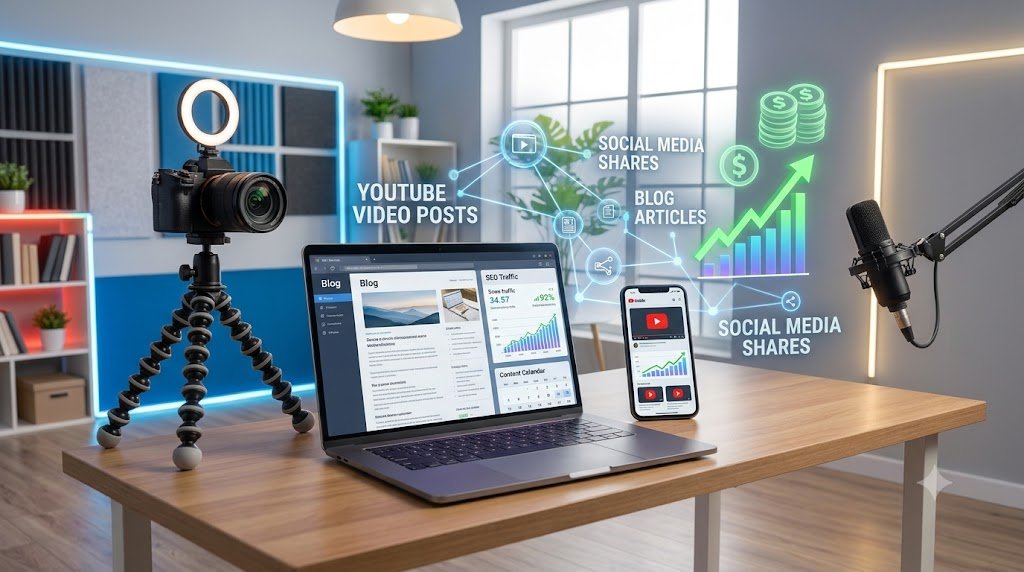
Blogging involves publishing useful content on a website or blog.
A blog can cover topics such as:
- Online earning
- Technology
- Travel
- Education
- Food
- Lifestyle
- Personal development
- Business
- Tutorials
Bloggers can potentially earn through display advertising, affiliate marketing, sponsored content, digital products, and services.
YouTube vs Blogging: Key Differences
| Factor | YouTube | Blogging |
|---|---|---|
| Main Content | Videos | Articles |
| Main Skills | Video creation, editing, presentation | Writing, SEO, research |
| Equipment | Smartphone/camera, microphone, editing tools | Domain, hosting, writing tools |
| Audience | Video viewers | Website visitors/readers |
| Discovery | YouTube recommendations and search | Search engines and social media |
| Monetization | Ads, memberships, sponsorships, etc. | Ads, affiliates, sponsorships, products |
| Content Lifespan | Can vary widely | Search traffic can continue over time |
| Startup Cost | Can start with a smartphone | Usually requires a website setup |
| Consistency | Important | Important |
| Growth | Can sometimes be rapid | Often requires patience and SEO work |
Earning Potential: YouTube vs Blogging

There is no fixed income amount for either YouTube or blogging.
Your earnings can depend on:
- Audience size
- Audience location
- Niche
- Content quality
- Engagement
- Traffic or views
- Monetization methods
- Advertiser demand
- Products or services you promote
A YouTube channel with many views does not automatically earn a specific amount, just as a blog with many visitors does not guarantee a particular income.
Advantages of YouTube
1. Video Can Build Strong Audience Connections
Video allows creators to communicate through voice, visuals, demonstrations, and personality.
2. Multiple Monetization Options
Eligible creators can explore different monetization methods depending on the features available to their channel and region.
3. Short-Form Content
YouTube Shorts provide another format for reaching viewers with short videos.
4. Personal Branding
Regular videos can help creators develop a recognizable personal brand.
Challenges of YouTube
YouTube also requires effort.
You may need to learn:
- Video recording
- Editing
- Thumbnail creation
- Storytelling
- Search optimization
- Audience retention
- Channel analytics
Competition can also be high in popular niches.
Advantages of Blogging
1. Lower Content Production Requirements
You don’t need to appear on camera or record your voice. A laptop or smartphone and a website can be enough to start creating written content.
2. Search Engine Traffic
Well-researched articles can potentially attract visitors through search engines over time.
3. Multiple Income Sources
Bloggers can combine advertising, affiliate marketing, sponsored content, digital products, and services.
4. Long-Term Content Library
A blog can gradually build a library of useful articles that continue attracting visitors.
Challenges of Blogging
Blogging is not an instant-income method.
You may need to learn:
- Keyword research
- SEO
- Content writing
- Website management
- Internal linking
- Image optimization
- Analytics
It can also take time for new content to gain visibility in search results.
Which Requires More Investment?
The cost depends on how you approach each method.
YouTube can be started with a smartphone and free editing software. As your channel grows, you may choose to invest in better lighting, microphones, cameras, and editing tools.
Blogging generally requires a domain name and web hosting. Additional expenses may include premium themes, plugins, SEO tools, or other website services.
You can start both with a relatively small budget and increase your investment gradually.
YouTube or Blogging: Which One Should You Choose?
Instead of asking which platform is universally better, consider which format matches your strengths.
Choose YouTube if:
- You enjoy making videos.
- You are comfortable speaking or demonstrating things.
- You enjoy editing and visual storytelling.
- You want to build a video-focused personal brand.
Choose Blogging if:
- You enjoy writing and research.
- You prefer working behind the scenes.
- You are interested in SEO.
- You want to build a searchable website.
Why Not Use Both?
You don’t necessarily have to choose only one.
A creator can combine YouTube and blogging by turning one topic into multiple content formats.
For example:
YouTube video → Blog article → Short video → Social media post
This approach allows you to reach people through different platforms while getting more value from the same research and ideas.
Final Thoughts
YouTube and blogging can both be legitimate online earning opportunities, but neither guarantees quick or automatic income.
YouTube may suit people who enjoy video creation and visual storytelling, while blogging may suit people who prefer writing, research, and SEO. Your skills, interests, budget, and available time should guide your choice.
For many creators, combining YouTube + Blogging + Social Media can create a broader online presence and provide multiple potential ways to monetize valuable content over time.
I don’t know if I can get a hold of you but I have a question
Yash you are right time pass change background behind namaste to do
Ok
Good
Goof
Mast photos
Thank you for the middle web site and all of us and tu avi tyar thi na ghare javu pade
Class join
Ok thanks for your support
Yah to ke liye
Food in the world
Dig in india
Yato hi hai
Dev Sharma thank
Food and food and
Xxhxyhbdub fuh